
Closing La Jolla Cove: Town Council, Coastal Commission weigh ‘What access looks like’
A packed La Jolla Town Council meeting laid bare the growing divide over how to protect sea lions at La Jolla Cove while preserving public access. Wildlife advocates argued that ongoing harassment and inconsistent enforcement require stronger restrictions, while swimmers and other opponents questioned the evidence behind reported pup deaths and warned against closing a popular public beach. The debate spilled into personal accusations and heated interruptions as city, state and federal officials considered whether access to the Cove should be limited.
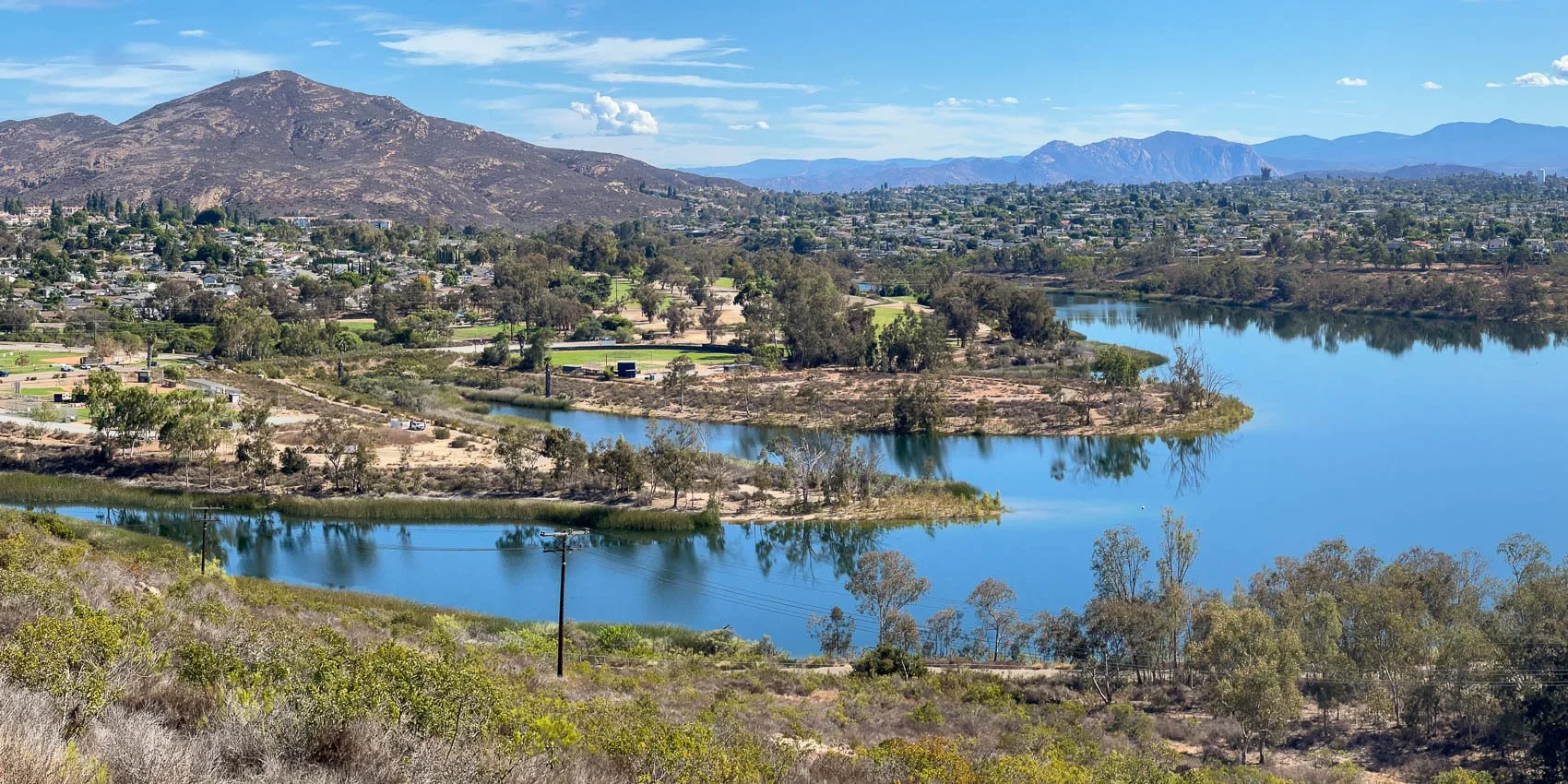
San Diego’s troubled reservoirs brace for ‘Super’ El Niño. How the city is addressing downstream risks
San Diego is preparing two aging, water-level-restricted reservoirs for a potentially historic “Super” El Niño. Lake Hodges and Lake Murray both pose an “extremely high” downstream hazard if they fail, but each faces different risks. Hodges has limited storage and a large watershed, while Murray receives little runoff. The city plans to actively manage Hodges ahead of storms, while keeping Murray below its state-imposed restriction.
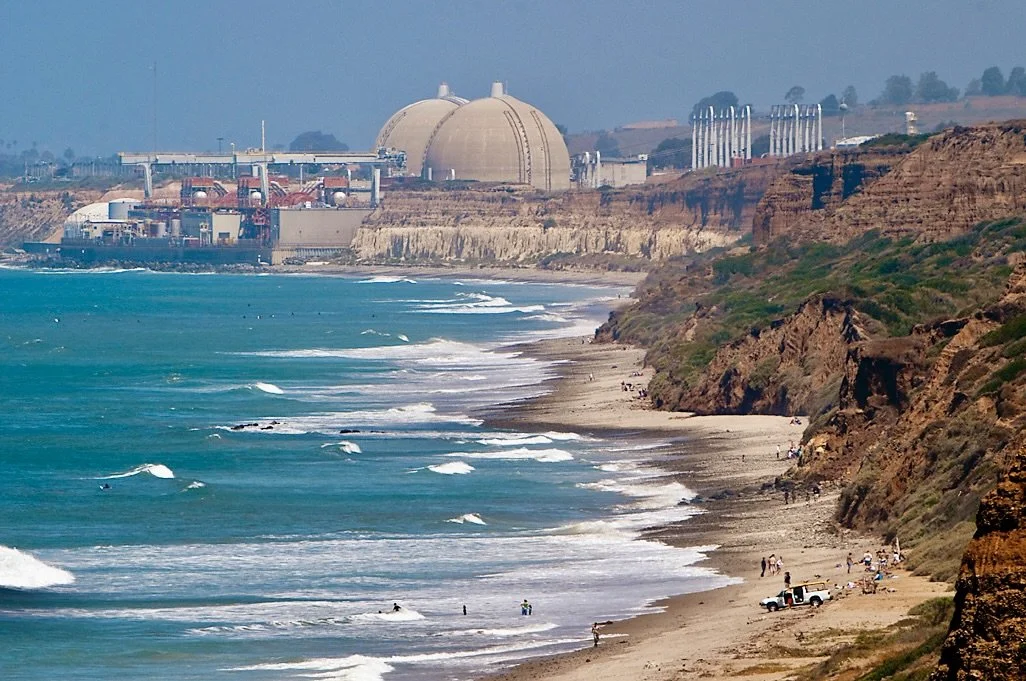
Experts warn: San Onofre’s nuclear waste could remain dangerous for ‘2000 generations’
Millions of pounds of spent nuclear fuel will remain at the San Onofre Nuclear Generating Station for decades — and potentially much longer. Experts warn that the waste could remain hazardous for thousands of years, raising questions about the long-term safety of storing it between the Pacific Ocean and Interstate 5. With no permanent federal repository in sight, San Onofre could become a test case for how the nation manages nuclear waste as concerns grow over earthquakes, coastal erosion and extreme weather.

Lifeguards save lives. California is only now recognizing them as first responders
California lawmakers will formally recognize open-water lifeguards as first responders, a designation supporters say is long overdue. The nonbinding resolution, which passed the Legislature this month, would make California the third state to grant lifeguards the designation. San Diego lawmakers have voiced unanimous support, while advocates say recognition is only the beginning of a broader push for better pay, benefits and working conditions. Federal lawmakers are also pursuing similar legislation to extend first-responder status nationwide.
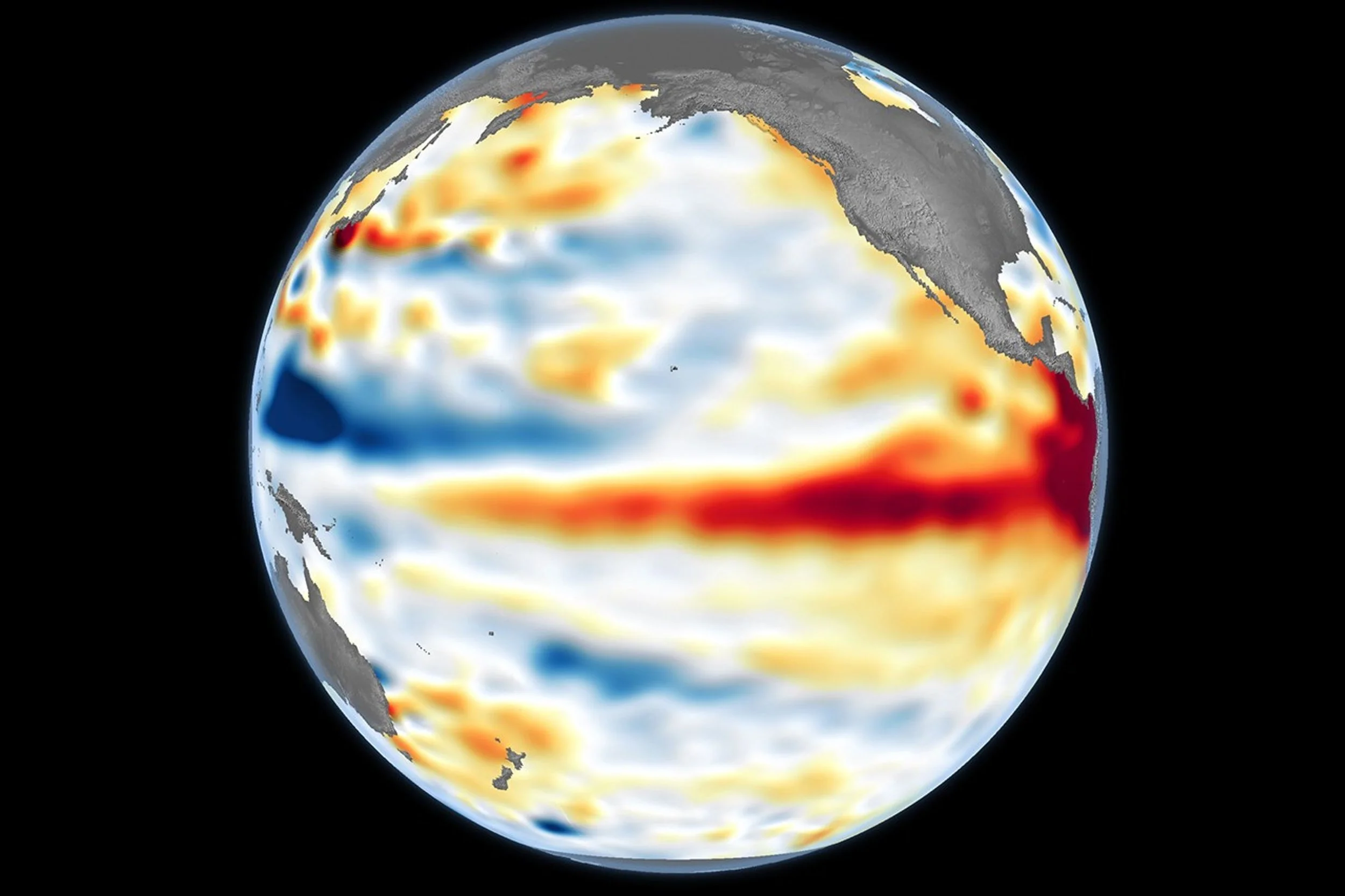
‘Super’ El Niño and San Diego – what scientists know now and what else they hope to learn
San Diego is preparing for a potentially historic “Super” El Niño, but scientists say the strength of the event does not necessarily mean the region will see historic rainfall. Scripps Institution of Oceanography researchers say El Niño could bring wetter weather, bigger surf, coastal flooding and warmer ocean temperatures, but its effects on San Diego remain difficult to predict. As forecast models point to an unusually strong event, city officials are preparing for possible flooding and other impacts this winter.
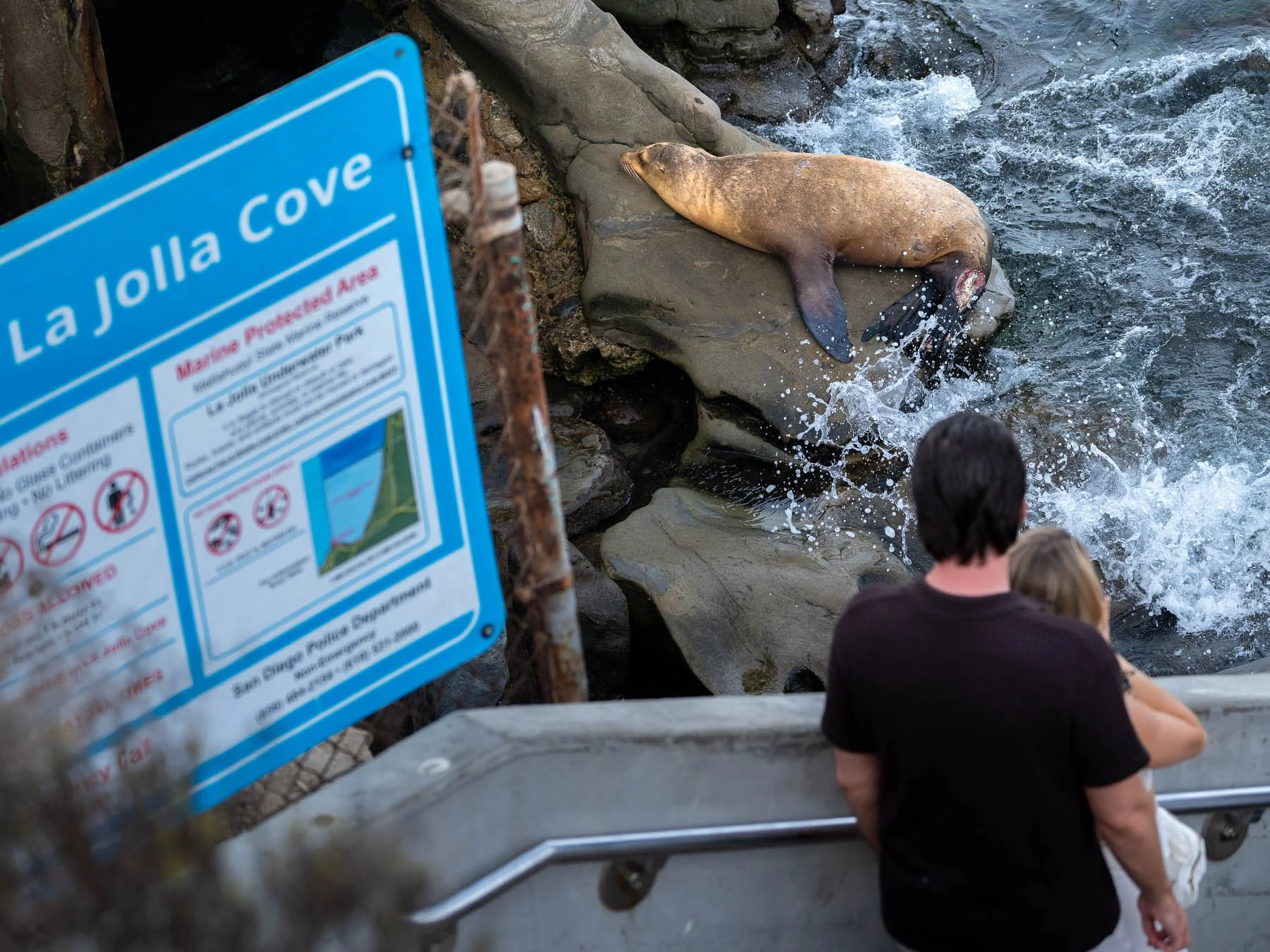
Should La Jolla Cove close to protect sea lions? San Diego faces mounting pressure
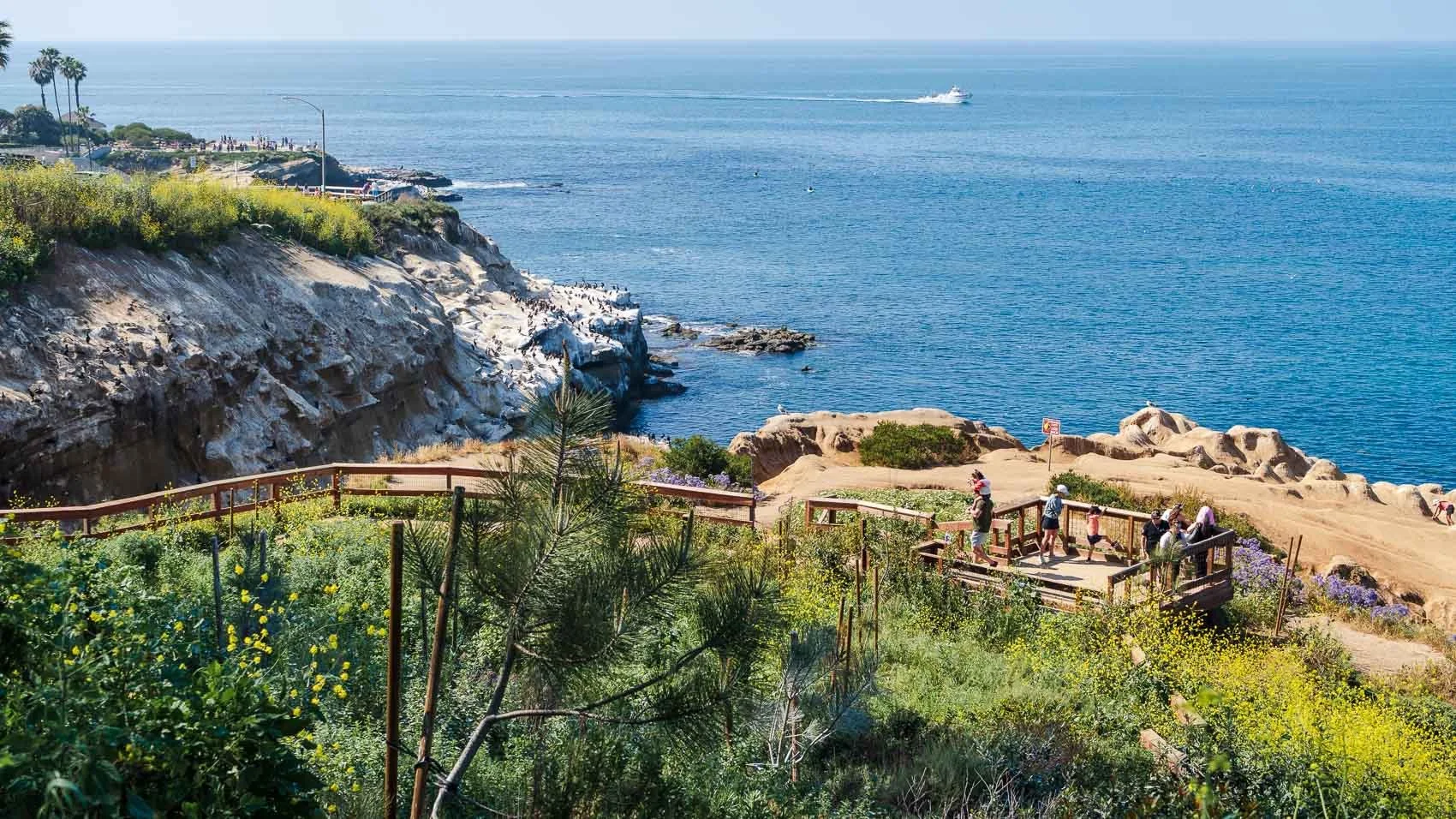
At La Jolla Cove, anyone who steps too close to a sea lion may be met by a megaphone-wielding park ranger and, at times, jeering onlookers — part of the city’s balancing act between protecting wildlife and maintaining public access to the iconic beach.
Despite increased ranger presence and public education campaigns, people continue to approach, touch and harass the animals. Now, state and federal agencies are discussing additional protections, while advocates push the city to consider stronger measures, including partial closure.
La Jolla planning group moves to grant public access to beach and popular walking trail
The La Jolla Community Planning Association unanimously approved two proposals aimed at improving coastal access along southern La Jolla Shores and the Coast Walk Trail. The plans address long-running disputes involving private property boundaries, high tide access and contested signage. One proposal would establish a route around the Marine Room during high tides, while the other supports continued public access along Coast Walk as a legal dispute over property rights moves forward.

Thrill seekers love Sunset Cliffs. But with rescues on the rise, cliff jumping at ‘The Arch’ faces an uncertain future
Thrill seekers flock to Sunset Cliffs' iconic Arch after viral social media videos turned the illegal jump into a bucket-list attraction. But a recent string of rescues, increased lifeguard patrols and crumbling sandstone cliffs have renewed concerns about the future of the decades-old tradition. Lifeguards say cliff jumping is both illegal and extremely dangerous, while longtime locals worry erosion and stricter enforcement could eventually bring the landmark's most famous pastime to an end.

The goal – ‘zero days of beach closure’ from Tijuana River sewage. Experts ponder if it’s possible to get there
South County has endured the Tijuana River sewage crisis for decades, with untreated wastewater forcing prolonged beach closures, fouling the air and raising persistent public health concerns from Imperial Beach to Coronado. At a public panel, local leaders, scientists and advocates warned the crisis is worsening while outlining solutions ranging from wastewater infrastructure upgrades to stronger binational cooperation and expanded federal investment. Despite frustration over years of delays, speakers said coordinated action offers the best path toward restoring the region's beaches and protecting nearby communities.

Permit options pitched to planning group amid housing growth and parking concerns
Parking shortages are becoming increasingly common in San Diego's denser neighborhoods as new housing places more pressure on limited curb space. At a recent Navajo Community Planning Group meeting, transportation advocacy group Ride SD proposed a flexible residential parking permit framework designed to help neighborhoods manage overflow parking without discouraging new housing. The proposal includes five permit models that communities could choose from based on local needs, aiming to balance parking demand with continued housing growth.

No resort yet, but SeaWorld’s 40-year plan lives on in updated blueprint
SeaWorld's long-planned resort hotel remains on the drawing board as San Diego officials consider updating the park's long-term master plan. The Planning Commission is reviewing a 2020 planning document that preserves a hotel concept first proposed in 1985, though no construction project is being approved. SeaWorld says it has "no specific details to share," and the California Coastal Commission says it is unaware of any active hotel proposal, underscoring that the review concerns long-range planning rather than imminent development.

Former Hillcrest Rite Aid heads to market, sparking debate over site’s future
The former Rite Aid property in the heart of Hillcrest is headed to market, prompting residents and community planners to debate what should replace it. While no redevelopment proposal has been submitted, planning group members urged the city to prioritize public space, neighborhood-serving amenities and thoughtful design over another large apartment complex as the prominent 55,000-square-foot site awaits a new owner.

Freedom Fest celebrates its fourth Fourth of July at Belmont Park
Freedom Fest returned to Belmont Park for its fourth beachfront Independence Day celebration, drawing thousands of music fans to Mission Beach beneath a 70-foot inflatable Statue of Liberty. Headliner DJ Austin Millz capped a 24-hour cross-country tour, while performers including MIMS, Girl Math and Jenny Voss energized the crowd. The festival, which began in 2020 with about 2,000 attendees in a La Jolla office building, has grown into what organizers call San Diego's only oceanfront Fourth of July music festival.

New heat mapping tool points to hidden risks across San Diego, creates roadmaps to counter rising temperatures
A new countywide heat mapping tool is helping identify which San Diego neighborhoods face the greatest health risks from extreme temperatures by combining weather, land surface, health and socioeconomic data. Developed through the Shade SD initiative, the interactive Heat Risk Explorer highlights vulnerable communities and aims to guide investments in cooling strategies such as tree planting, shade structures and heat-resilient infrastructure. Researchers say the publicly available tool can help governments prioritize resources as climate change drives hotter conditions.

Remote workers return to Law Street Beach — this time with a city permit and cleanup plan
After city officials halted an earlier gathering over permitting issues, about 100 remote workers returned to Law Street Beach in Pacific Beach Thursday for a beachside workday — this time with official approval. Organizer Scott Muirhead spent two months securing permits and coordinating cleanup efforts after the April event drew complaints. Participants worked from laptops on the sand while networking over coffee and bagels, as Muirhead aims to expand the monthly concept to other California beaches.

Three San Diego congressional Democrats present united front on economy, immigration, housing
Three San Diego Democrats in Congress presented a united front on economic and immigration issues during a San Diego Regional Chamber of Commerce forum Monday, arguing that federal policy uncertainty is raising costs and creating challenges for businesses, healthcare providers and workers. Reps. Mike Levin, Sara Jacobs and Scott Peters criticized tariffs, immigration enforcement and rising utility costs, while calling for greater housing affordability, energy relief and regional cooperation on issues affecting San Diego.

Temporary lifeguard tower rises over Mission Beach as city chases funding for new station
A temporary 30-foot metal lifeguard tower now overlooks Mission Beach as San Diego seeks funding for a permanent replacement of the aging station that has protected the city’s busiest beach for more than four decades. City officials estimate the new facility will cost $25 million, but only $13.4 million has been secured so far. The temporary structure will remain in place for years while leaders search for funding to replace the deteriorating station near Belmont Park.

UCSD professors make up largest group of UC faculty supporting return of SAT, ACT for admissions
More than 1,400 University of California faculty members, including hundreds from UC San Diego, are urging the university system to restore SAT and ACT testing for STEM admissions, arguing that growing numbers of underprepared students are straining instructors and weakening readiness for college-level math. Faculty cited a UC San Diego report showing a sharp increase in students requiring remedial math support since the UC system adopted test-blind admissions in 2020. Critics maintain standardized tests can disadvantage low-income applicants and fail to fully capture academic potential.

80-acre brush fire in Sorrento Valley prompts multiple evacuations
A fast-moving brush fire in Sorrento Valley grew to 80 acres Monday afternoon, prompting evacuation orders for more than 2,200 homes and businesses near Los Peñasquitos Canyon Preserve. The blaze began around 9:20 a.m. and was reported 15% contained by 2 p.m. Firefighters, aided by helicopters, fixed-wing aircraft and bulldozers, worked to establish containment lines. Authorities urged residents in affected zones to evacuate immediately and warned drone operators to stay clear of the area so firefighting aircraft could operate safely.

Ocean ecosystems need our help. A new collaboration puts coral reefs center stage, optimizes their recovery
A new collaboration between Samsung, the Scripps Institution of Oceanography and Seatrees is helping scientists restore endangered coral reefs using smartphone technology. Researchers developed “Ocean Mode,” a camera feature that improves underwater imaging, allowing detailed 3D reef mapping at a lower cost. The project has already mapped 86 reefs and supported the planting of more than 21,000 coral fragments. Scientists say the technology could also expand citizen science efforts and help communities monitor fragile marine ecosystems.