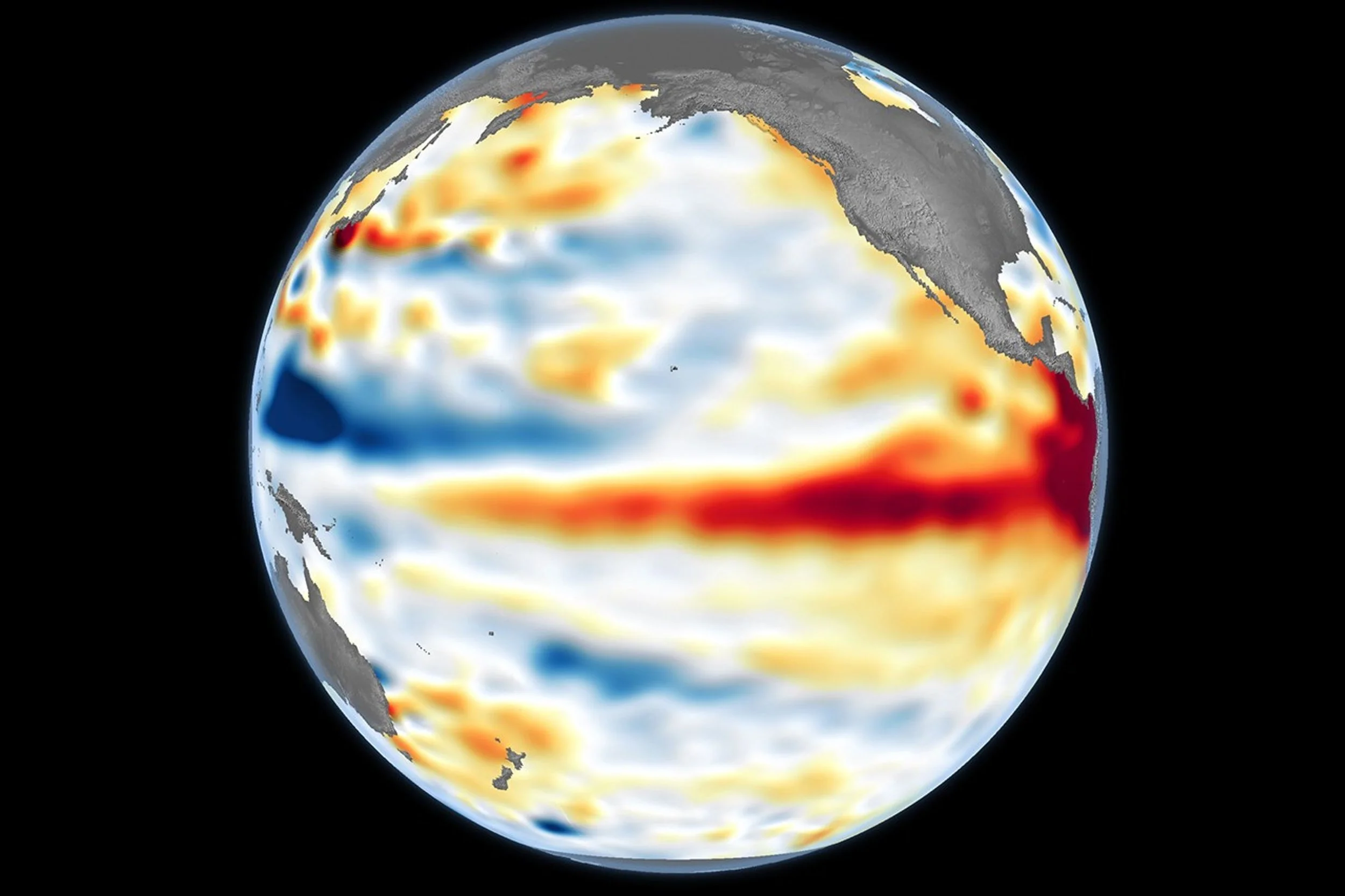
‘Super’ El Niño and San Diego – what scientists know now and what else they hope to learn
San Diego is preparing for a potentially historic “Super” El Niño, but scientists say the strength of the event does not necessarily mean the region will see historic rainfall. Scripps Institution of Oceanography researchers say El Niño could bring wetter weather, bigger surf, coastal flooding and warmer ocean temperatures, but its effects on San Diego remain difficult to predict. As forecast models point to an unusually strong event, city officials are preparing for possible flooding and other impacts this winter.
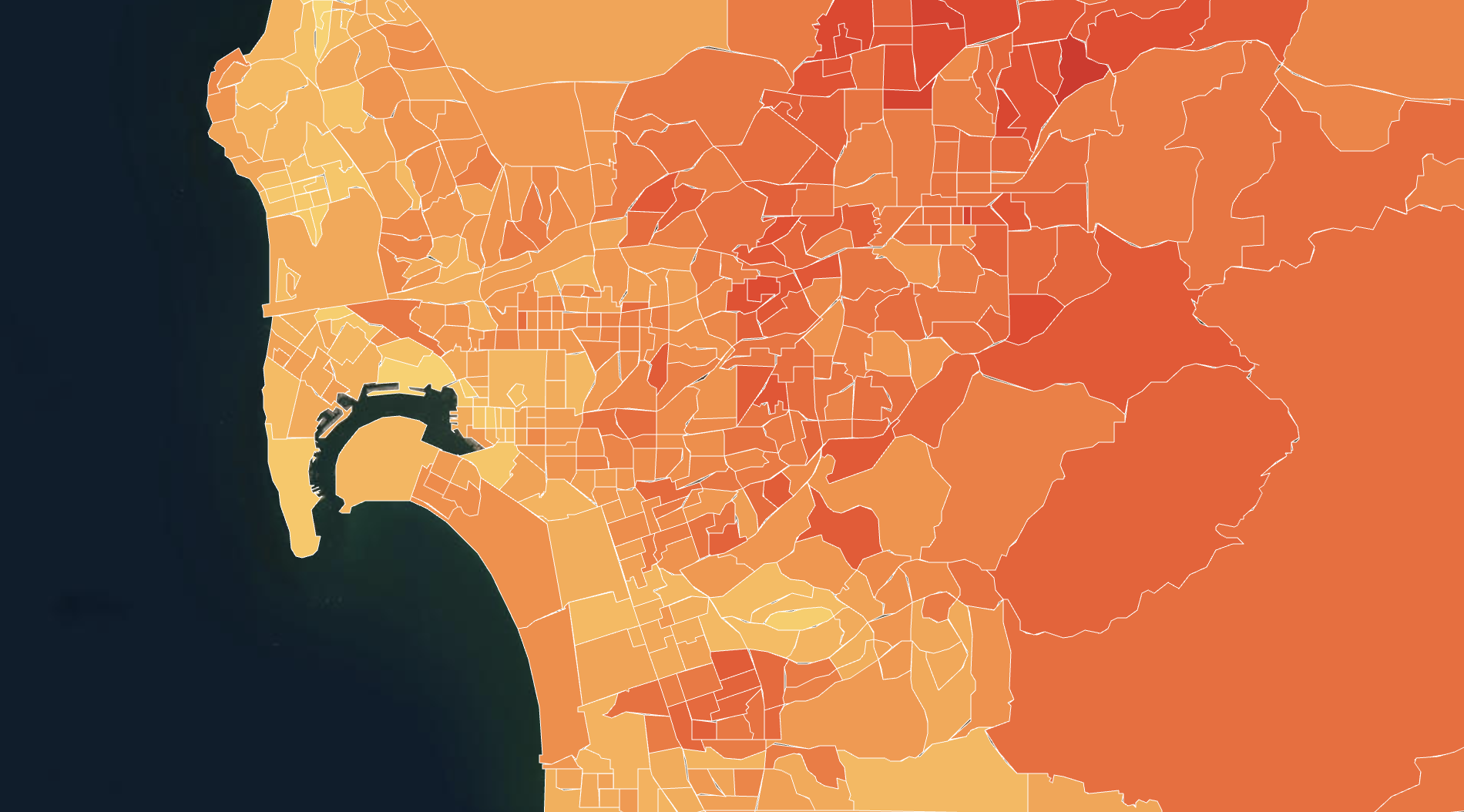
New heat mapping tool points to hidden risks across San Diego, creates roadmaps to counter rising temperatures
A new countywide heat mapping tool is helping identify which San Diego neighborhoods face the greatest health risks from extreme temperatures by combining weather, land surface, health and socioeconomic data. Developed through the Shade SD initiative, the interactive Heat Risk Explorer highlights vulnerable communities and aims to guide investments in cooling strategies such as tree planting, shade structures and heat-resilient infrastructure. Researchers say the publicly available tool can help governments prioritize resources as climate change drives hotter conditions.

Cannabis affects childhood brain development, is ‘real risk’ for teens, UCSD finds in long-term study
A major UC San Diego study tracking more than 11,000 children found that teens who use cannabis show slower development in memory, attention and thinking skills compared to non-users. Researchers said adolescence is a critical period for brain development, and even small cognitive differences can build over time. The findings come as cannabis use remains common among teenagers nationwide. Experts hope the long-term study will help families better understand the potential risks of marijuana use during adolescence.

The seismic hazard in our backyard — What San Diegans don’t know about the potentially deadly Rose Canyon Fault
San Diego sits atop one of Southern California’s most overlooked seismic threats: the Rose Canyon Fault. Experts say the fault, which runs through densely populated neighborhoods from La Jolla to downtown, could generate an earthquake approaching magnitude 7, causing widespread damage to homes, roads and water systems. Researchers behind a major regional earthquake scenario warn many residents remain unprepared, despite decades of scientific evidence showing the fault is active and capable of a catastrophic quake.
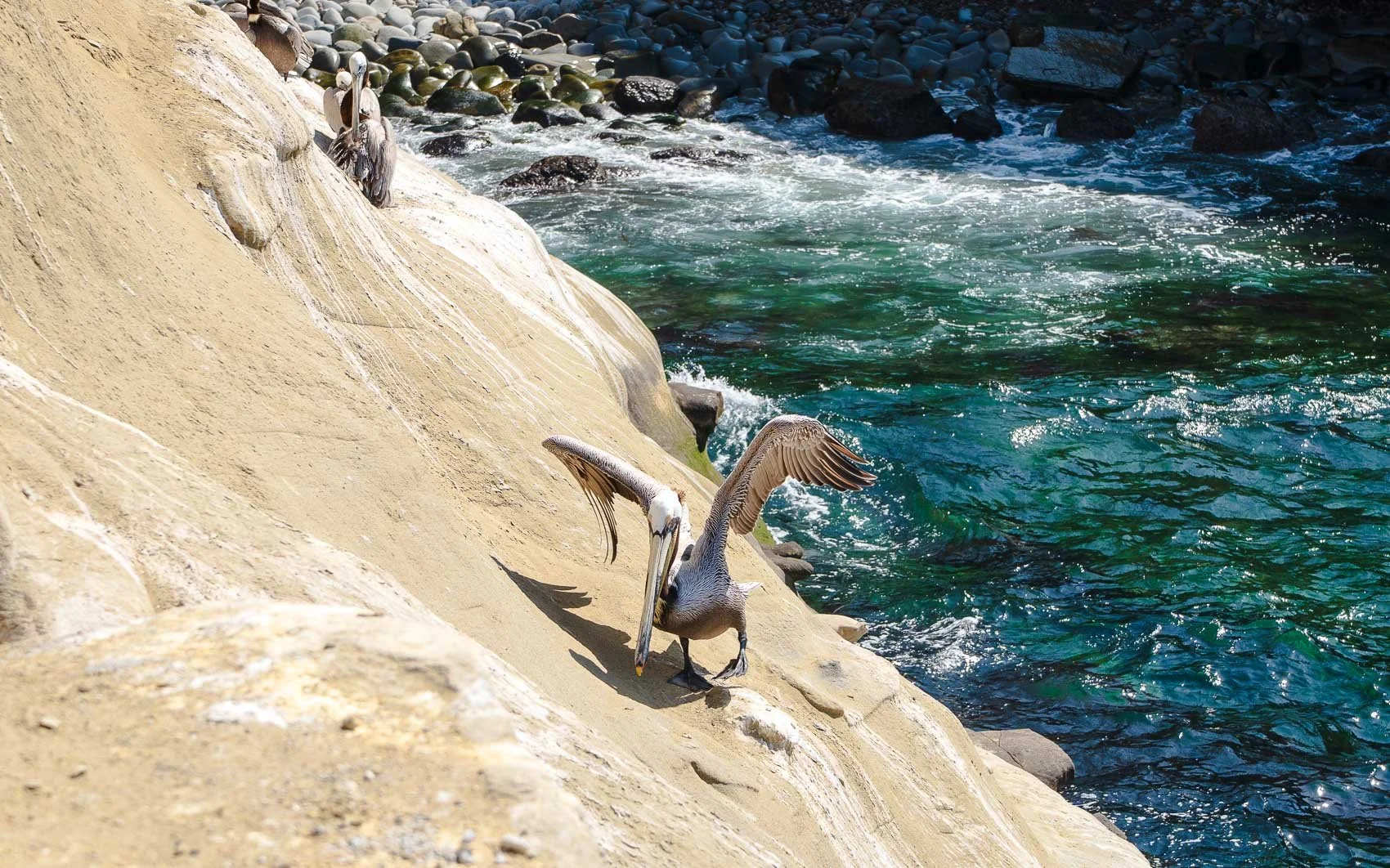
Starving seabirds line San Diego’s coast. Rising ocean temperatures are to blame
Starving and emaciated seabirds are washing ashore from Mission Beach to La Jolla as unusually warm ocean temperatures disrupt Southern California’s marine food web. Scientists say marine heatwaves have pushed fish into deeper offshore waters, leaving pelicans, cormorants and murres without accessible food. Researchers at NOAA and Scripps Institution of Oceanography warn the warming resembles past ecological crises linked to toxic algal blooms and widespread wildlife die-offs. Rescue groups report a sharp increase in starving birds arriving at rehabilitation centers.

A fault line halted plans for a 40-story tower. Years later, the site remains a ‘hole in the ground’
As older buildings come down across downtown San Diego, newly exposed ground is revealing seismic hazards long hidden beneath the city’s surface. Geologists say faults tied to the Rose Canyon Fault and other local systems run beneath parts of downtown, though many remain poorly mapped. Researchers warn that early and rapid urbanization buried evidence of these fault lines, making earthquake risks harder to identify before redevelopment begins. State regulations require geological studies near known fault zones, but experts say gaps in mapping still leave uncertainty beneath neighborhoods undergoing major redevelopment.

A first step to drought tolerant crops – Salk Institute charts course, uncovering ‘magical property of plants’
Drought cuts harvests yearly, but new research from the Salk Institute suggests crops could better withstand water scarcity. Scientists studying plant aging found that plants respond to stress by accelerating aging, shedding leaves to conserve resources. By identifying the FRO6 gene, which switches off during drought, researchers engineered plants to maintain growth under stress. The findings could help farmers avoid unseen losses, improve yields, and adapt agriculture to a global future shaped by climate change and increasingly limited water supplies.
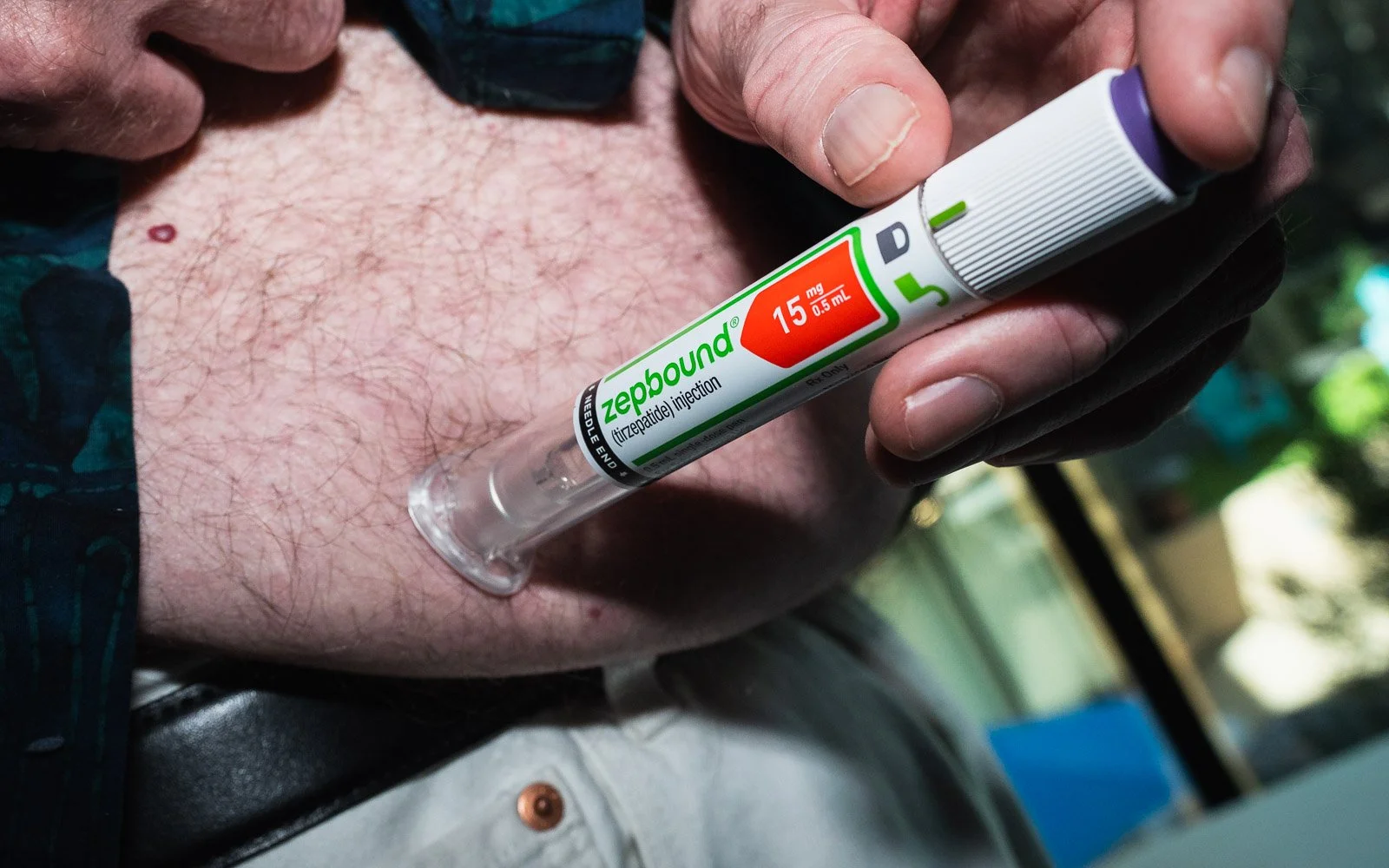
Use of weight loss ‘wonder drugs’ has doubled. The Salk Institute is studying how far their benefits can go
Researchers at the Salk Institute for Biological Studies found that GLP-1 drugs like Ozempic and Zepbound may reprogram pancreatic cells, improving insulin production and resilience beyond weight loss. Used by over 30 million Americans, the drugs trigger genetic changes through a protein called Med14. Scientists say long-term use could produce lasting metabolic benefits, though research is ongoing to fully understand their broader effects.

Daylight saving time harms health, poses safety risks, but ending it is complicated
Losing an hour of sleep during the spring Daylight Saving Time shift may have serious health consequences, including increased heart attacks, strokes, and traffic accidents. Researchers like Dr. Emily Manoogian at the Salk Institute study how circadian rhythms regulate sleep and bodily functions. Even small disruptions can misalign the body’s internal clock, which depends on light cues. Studies show a spike in motor vehicle crashes after the time change, and many scientists advocate for permanent standard time to better align with human biology.