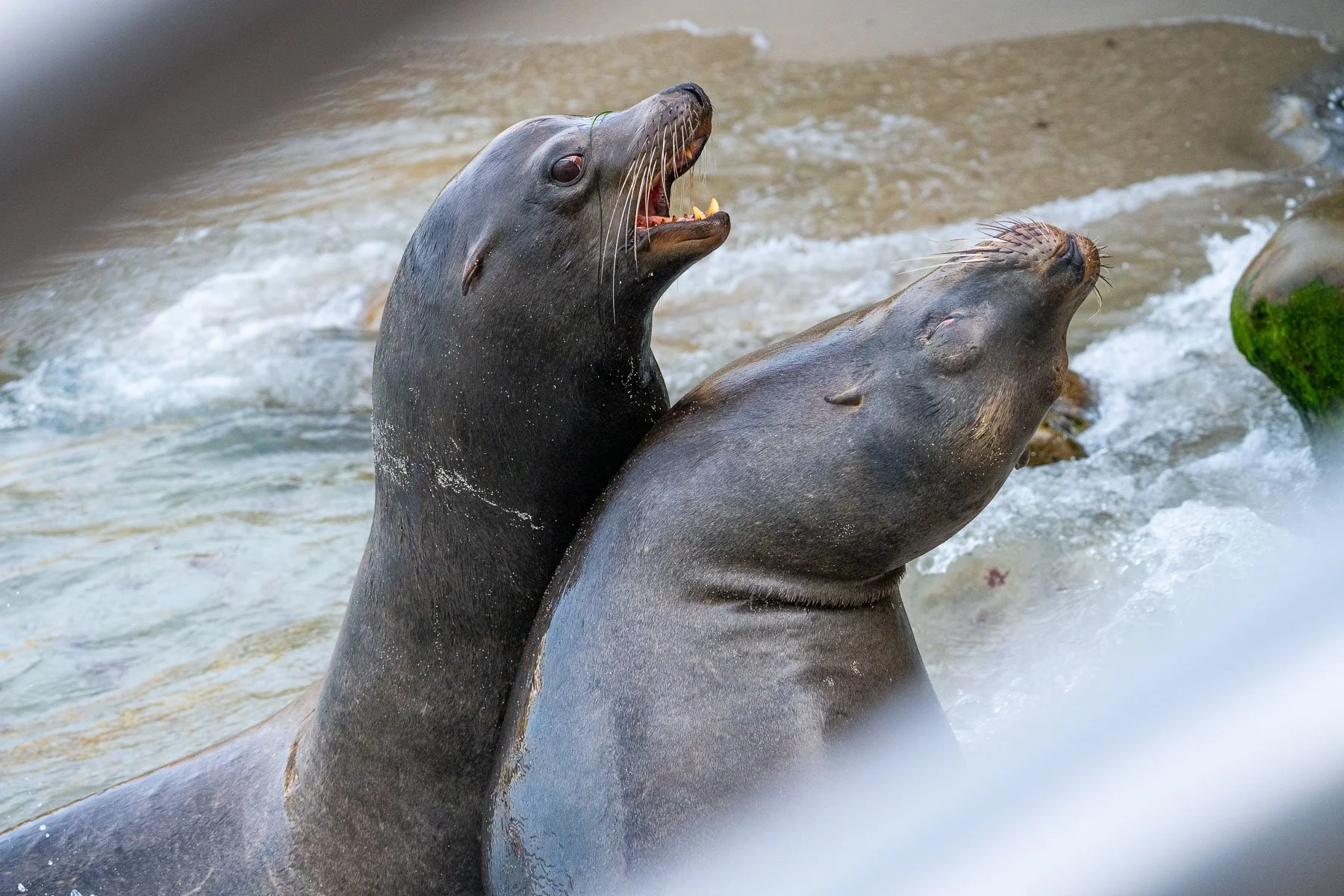
Closing La Jolla Cove: Town Council, Coastal Commission weigh ‘What access looks like’
A packed La Jolla Town Council meeting laid bare the growing divide over how to protect sea lions at La Jolla Cove while preserving public access. Wildlife advocates argued that ongoing harassment and inconsistent enforcement require stronger restrictions, while swimmers and other opponents questioned the evidence behind reported pup deaths and warned against closing a popular public beach. The debate spilled into personal accusations and heated interruptions as city, state and federal officials considered whether access to the Cove should be limited.
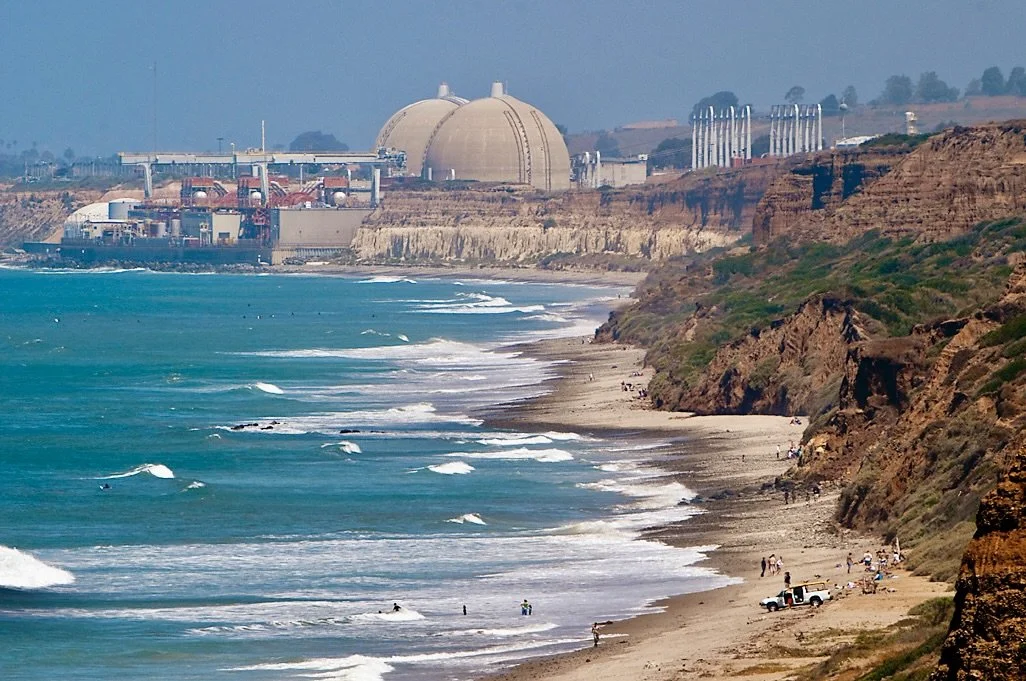
Experts warn: San Onofre’s nuclear waste could remain dangerous for ‘2000 generations’
Millions of pounds of spent nuclear fuel will remain at the San Onofre Nuclear Generating Station for decades — and potentially much longer. Experts warn that the waste could remain hazardous for thousands of years, raising questions about the long-term safety of storing it between the Pacific Ocean and Interstate 5. With no permanent federal repository in sight, San Onofre could become a test case for how the nation manages nuclear waste as concerns grow over earthquakes, coastal erosion and extreme weather.
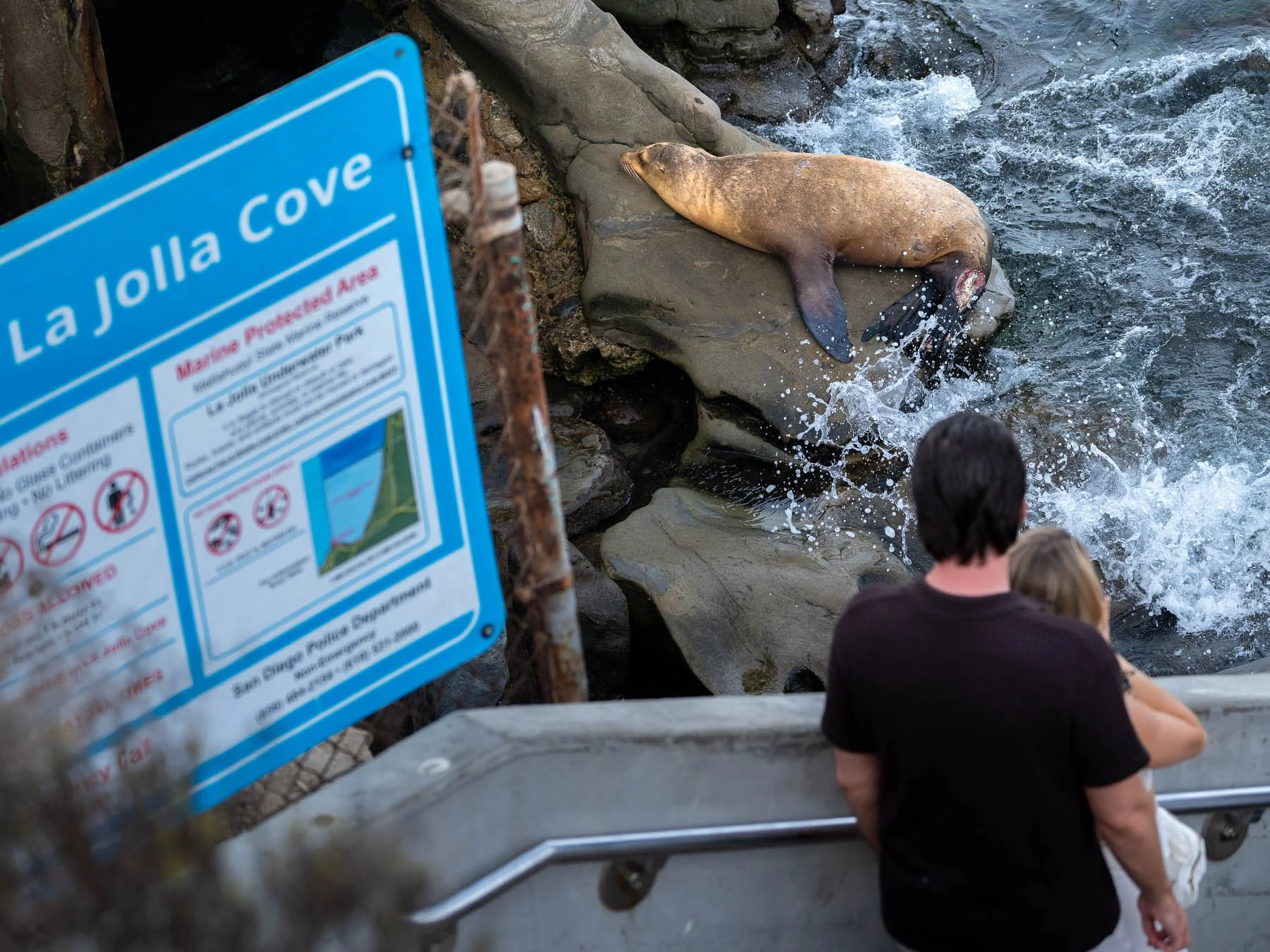
Should La Jolla Cove close to protect sea lions? San Diego faces mounting pressure
At La Jolla Cove, anyone who steps too close to a sea lion may be met by a megaphone-wielding park ranger and, at times, jeering onlookers — part of the city’s balancing act between protecting wildlife and maintaining public access to the iconic beach.
Despite increased ranger presence and public education campaigns, people continue to approach, touch and harass the animals. Now, state and federal agencies are discussing additional protections, while advocates push the city to consider stronger measures, including partial closure.
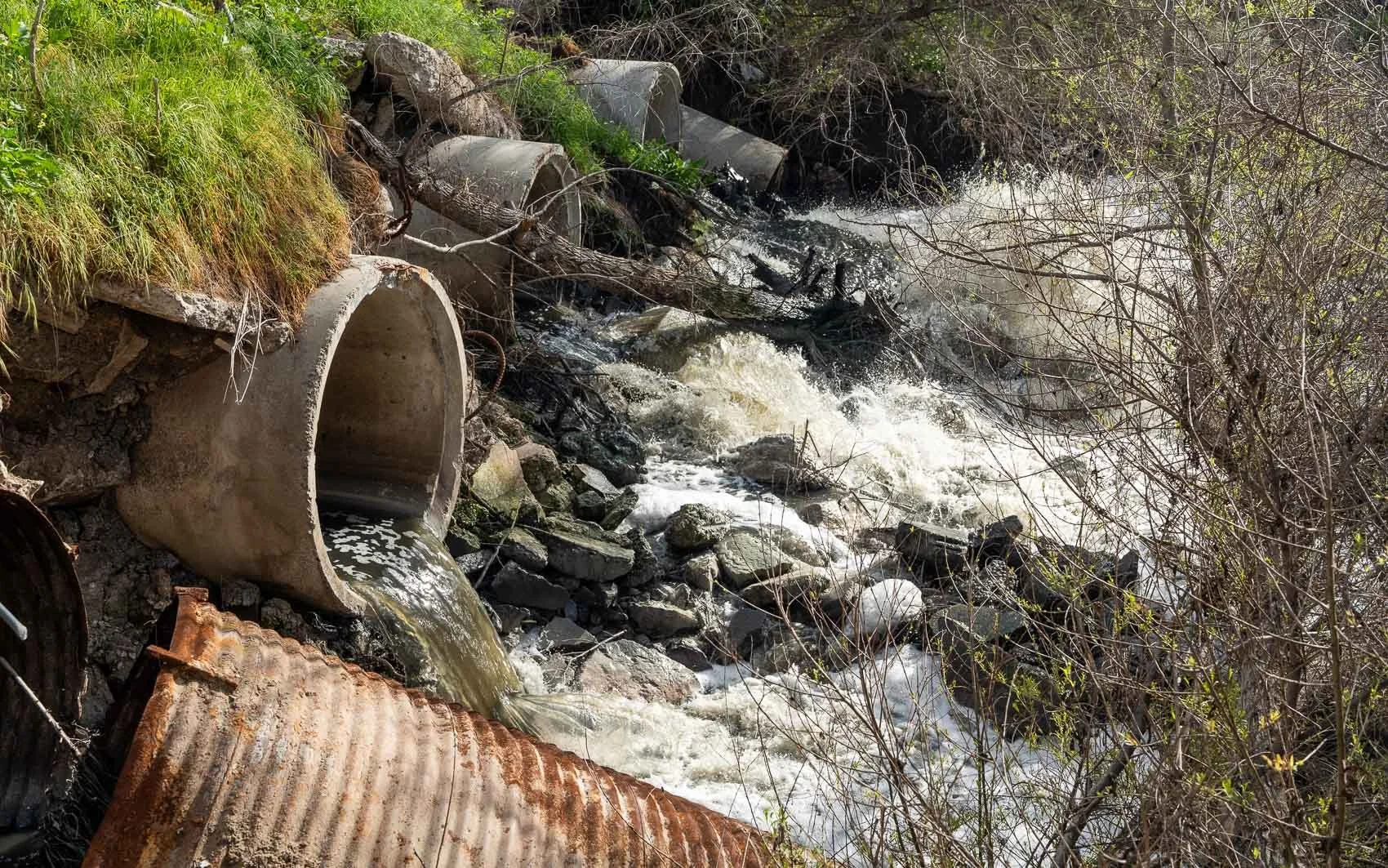
The goal – ‘zero days of beach closure’ from Tijuana River sewage. Experts ponder if it’s possible to get there
South County has endured the Tijuana River sewage crisis for decades, with untreated wastewater forcing prolonged beach closures, fouling the air and raising persistent public health concerns from Imperial Beach to Coronado. At a public panel, local leaders, scientists and advocates warned the crisis is worsening while outlining solutions ranging from wastewater infrastructure upgrades to stronger binational cooperation and expanded federal investment. Despite frustration over years of delays, speakers said coordinated action offers the best path toward restoring the region's beaches and protecting nearby communities.
Ocean ecosystems need our help. A new collaboration puts coral reefs center stage, optimizes their recovery
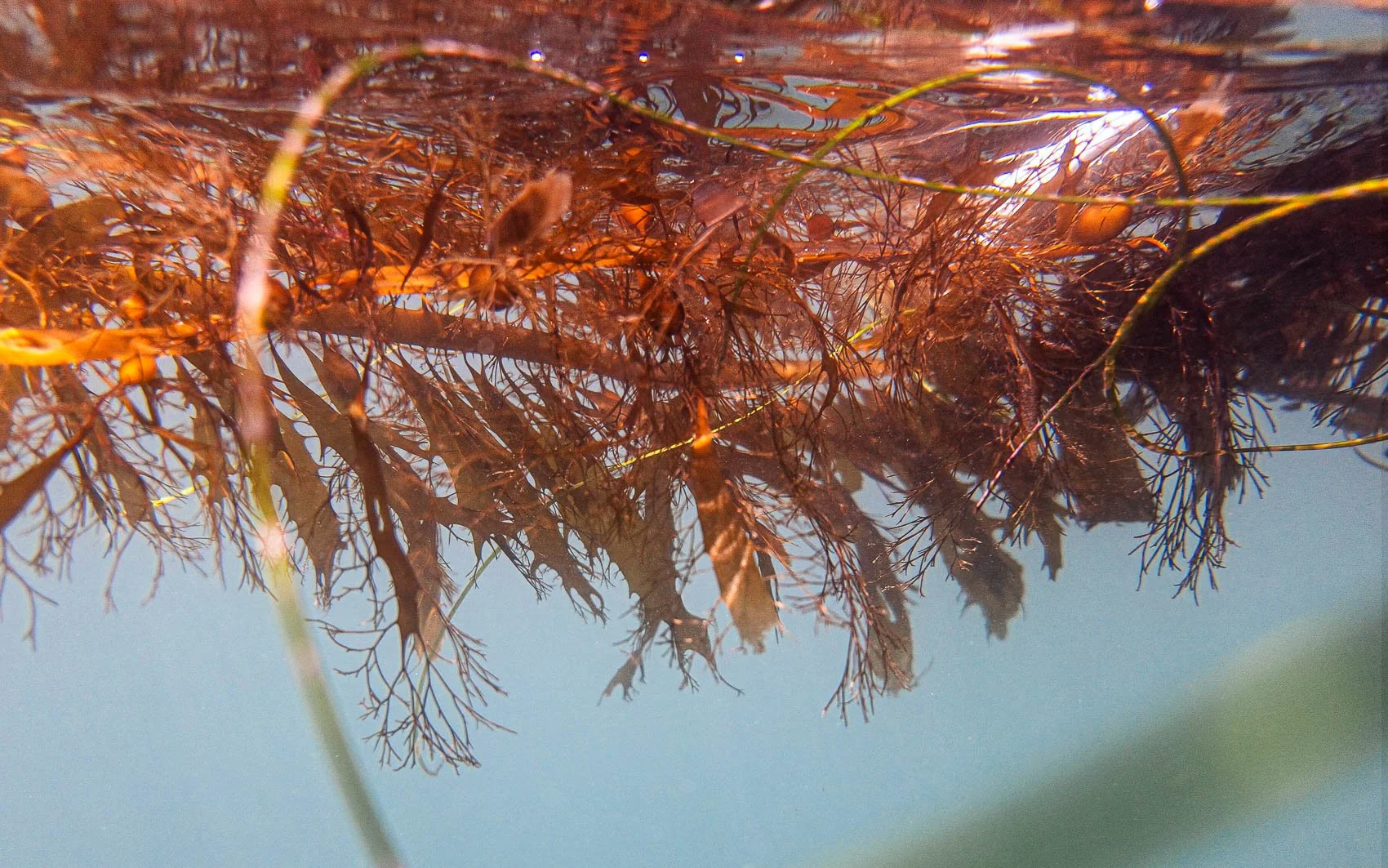
A new collaboration between Samsung, the Scripps Institution of Oceanography and Seatrees is helping scientists restore endangered coral reefs using smartphone technology. Researchers developed “Ocean Mode,” a camera feature that improves underwater imaging, allowing detailed 3D reef mapping at a lower cost. The project has already mapped 86 reefs and supported the planting of more than 21,000 coral fragments. Scientists say the technology could also expand citizen science efforts and help communities monitor fragile marine ecosystems.
Starving seabirds line San Diego’s coast. Rising ocean temperatures are to blame
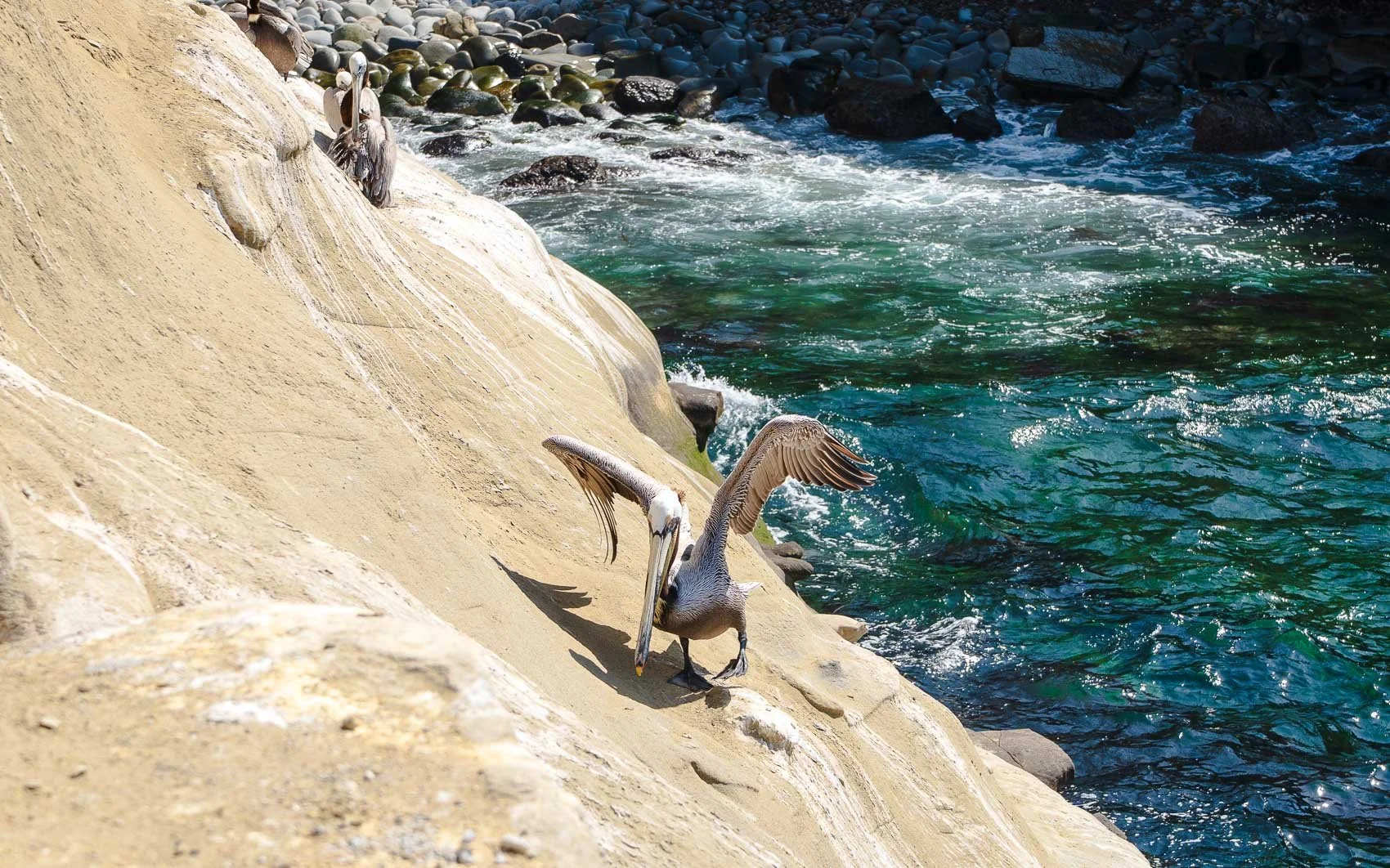
Starving and emaciated seabirds are washing ashore from Mission Beach to La Jolla as unusually warm ocean temperatures disrupt Southern California’s marine food web. Scientists say marine heatwaves have pushed fish into deeper offshore waters, leaving pelicans, cormorants and murres without accessible food. Researchers at NOAA and Scripps Institution of Oceanography warn the warming resembles past ecological crises linked to toxic algal blooms and widespread wildlife die-offs. Rescue groups report a sharp increase in starving birds arriving at rehabilitation centers.