
A fault line halted plans for a 40-story tower. Years later, the site remains a ‘hole in the ground’
As older buildings come down across downtown San Diego, newly exposed ground is revealing seismic hazards long hidden beneath the city’s surface. Geologists say faults tied to the Rose Canyon Fault and other local systems run beneath parts of downtown, though many remain poorly mapped. Researchers warn that early and rapid urbanization buried evidence of these fault lines, making earthquake risks harder to identify before redevelopment begins. State regulations require geological studies near known fault zones, but experts say gaps in mapping still leave uncertainty beneath neighborhoods undergoing major redevelopment.

UCSD, San Diego State part of widespread attack on Canvas education platform
Hackers linked to the cybercriminal group ShinyHunters disrupted the Canvas learning platform Thursday, locking students at University of California San Diego and San Diego State University out of coursework and finals materials. A ransom message threatened to leak data from thousands of schools if payment was not made by May 12. Universities nationwide reported outages as Canvas owner Instructure placed the platform into maintenance mode while investigating the breach. Officials warned students to avoid suspicious links and phishing attempts.
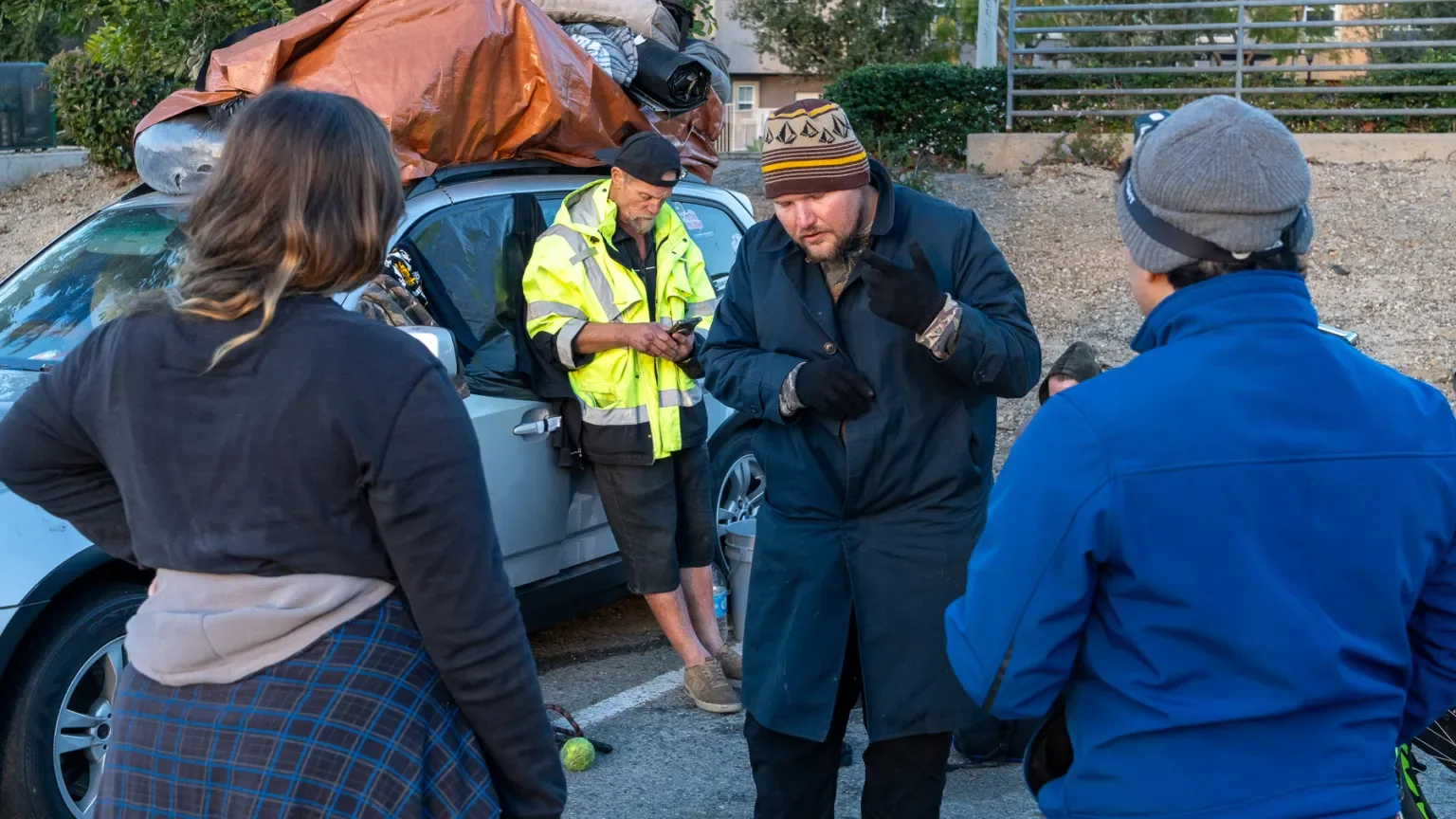
Annual homeless count shows progress in suburbs and for vets. But for seniors, results are a 'flashing red light'
San Diego County’s 2026 homeless count shows mixed results, with overall numbers nearly flat after a slight decline. Encouraging trends include fewer unsheltered individuals, increased shelter use, and major progress among veterans and suburban areas. However, officials warn of a growing crisis among seniors, many experiencing homelessness for the first time. Leaders say rising costs and limited fixed incomes are key drivers, while looming funding cuts threaten future progress despite recent gains in outreach, shelter access, and targeted support programs.
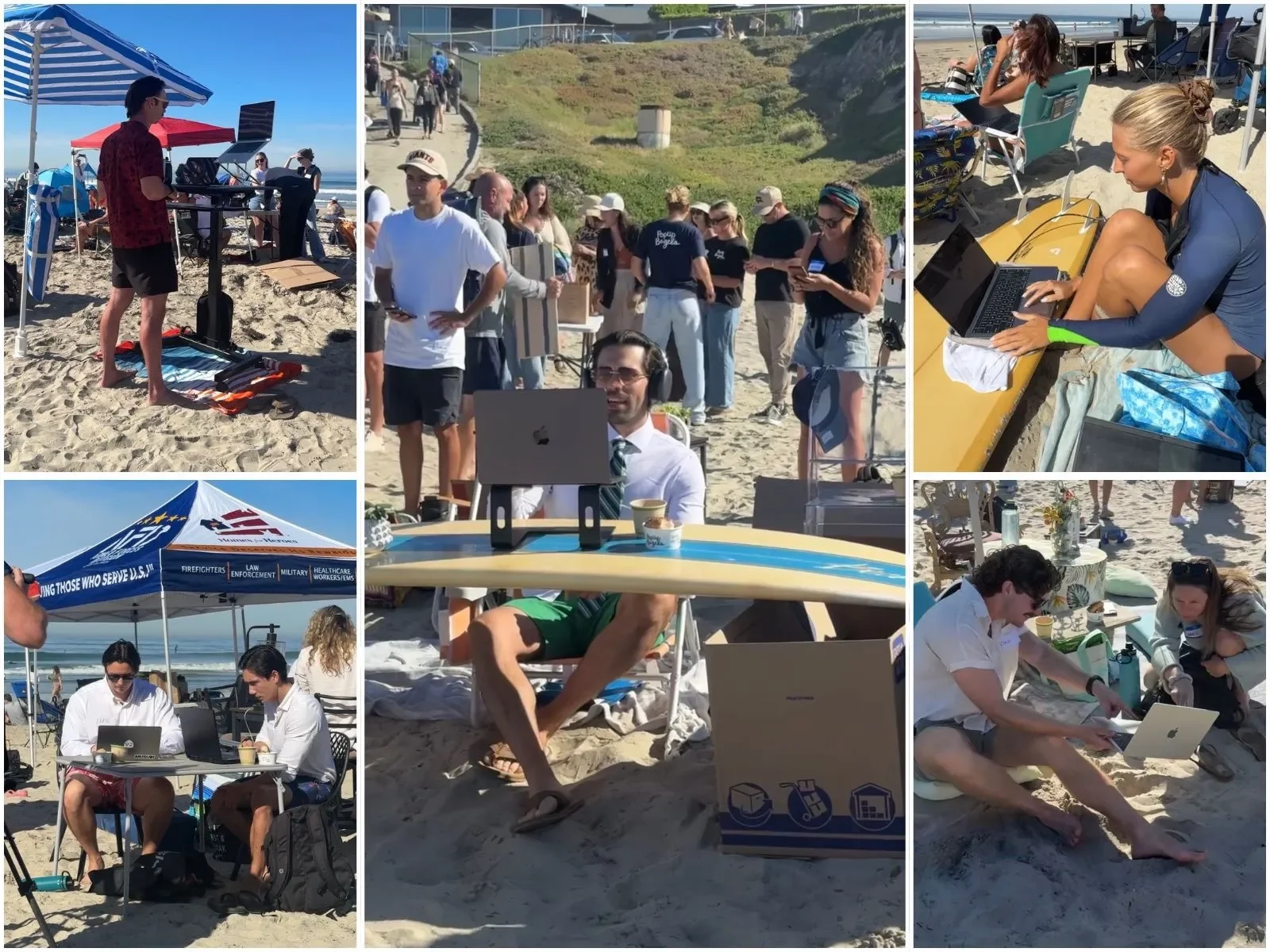
Remote workers planned a big beach meet up. The city says that’s illegal.
Dozens of remote workers turned Pacific Beach into a temporary outdoor office last month, hauling desks and surfboards onto the sand for a viral “work-from-the-beach” meetup. But after complaints about crowds, trash and alcohol, the city of San Diego warned organizers that future gatherings of more than 49 people require permits, insurance and security. Organizer Scott Muirhead canceled a planned follow-up event while negotiating with city officials, comparing the dispute to recent city crackdowns on beach yoga and pop-up DJ events.

A first step to drought tolerant crops – Salk Institute charts course, uncovering ‘magical property of plants’
Drought cuts harvests yearly, but new research from the Salk Institute suggests crops could better withstand water scarcity. Scientists studying plant aging found that plants respond to stress by accelerating aging, shedding leaves to conserve resources. By identifying the FRO6 gene, which switches off during drought, researchers engineered plants to maintain growth under stress. The findings could help farmers avoid unseen losses, improve yields, and adapt agriculture to a global future shaped by climate change and increasingly limited water supplies.

The eyesore tower atop AT&T building in Hillcrest is gone. What’s next at the century-old telecom site?
The long-standing AT&T microwave tower in Hillcrest has been removed after decades of serving outdated communications functions. The structure, once a key emergency communications hub, contained legacy infrastructure and now-obsolete equipment. Community leaders say the removal reflects years of pressure to modernize the site, which has also been viewed as a prime opportunity for redevelopment into housing or public space. While the building remains essential to network operations, residents and planners are weighing future uses that better fit neighborhood goals.
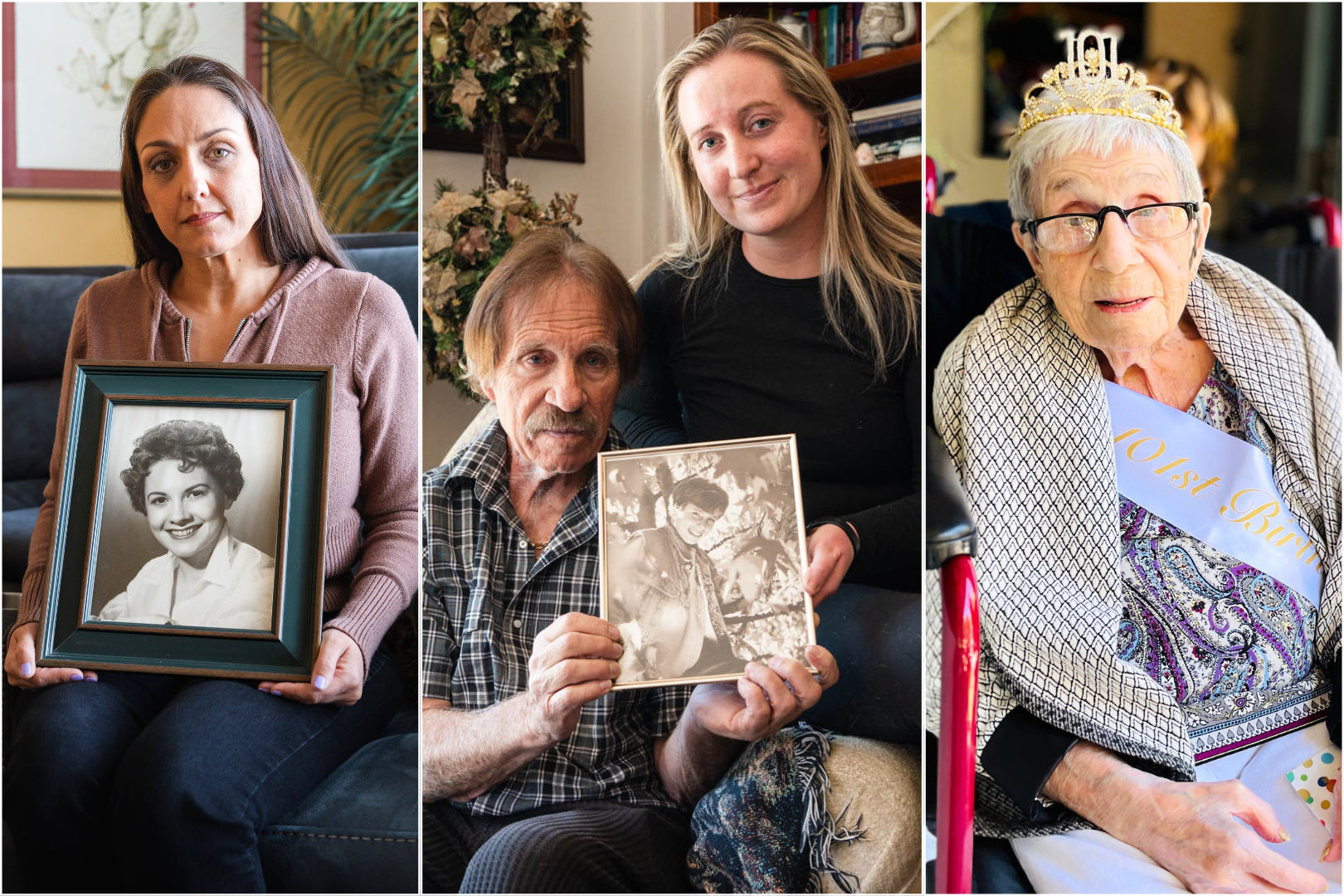
Families left in the dark: UCSD, USC quietly sell donors’ bodies to Navy for Israeli military training
Donated human bodies from UCSD and USC were reportedly used in U.S. Navy-funded medical training programs that included Israeli military personnel, according to investigative reporting by Annenberg Media. Families said they were not informed that remains could be transferred beyond academic use, raising concerns about consent, transparency, and oversight. The program involved cadaver-based trauma simulations intended to prepare military surgeons for battlefield injuries, sparking ethical debate over the use and handling of donated human remains.

'No Kings' rallies return to San Diego County, with 40,000 marchers on downtown streets
Tens of thousands gathered across San Diego County for the third “No Kings” protest Saturday, doubling attendance at Waterfront Park to about 40,000. Part of a nationwide movement, demonstrations spanned 18 regional sites and drew over 77,000 locally. Protesters marched downtown with music and signs addressing issues from war and surveillance to immigration and abortion. Participants said the events united diverse concerns and renewed urgency around political and social issues.
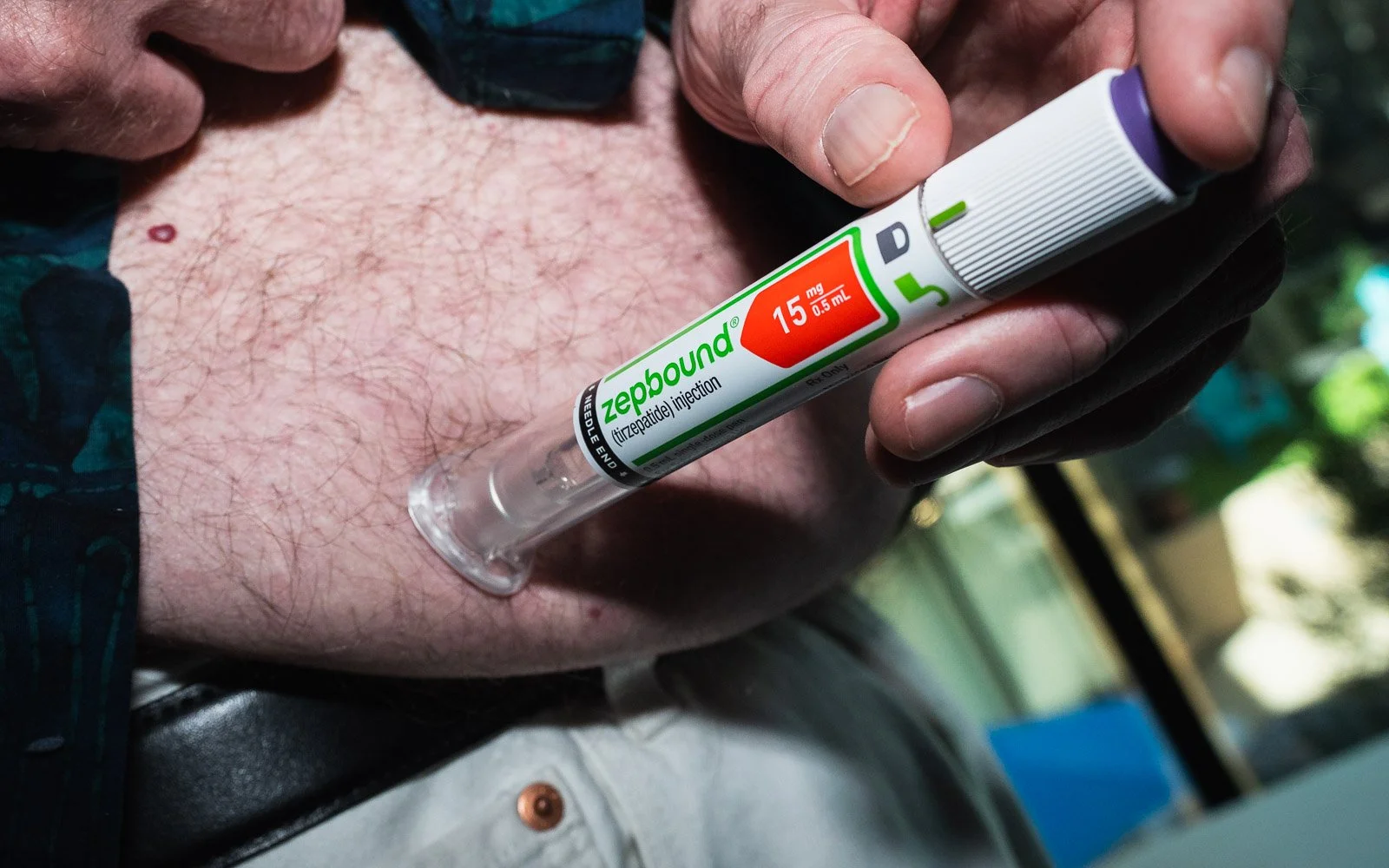
Use of weight loss ‘wonder drugs’ has doubled. The Salk Institute is studying how far their benefits can go
Researchers at the Salk Institute for Biological Studies found that GLP-1 drugs like Ozempic and Zepbound may reprogram pancreatic cells, improving insulin production and resilience beyond weight loss. Used by over 30 million Americans, the drugs trigger genetic changes through a protein called Med14. Scientists say long-term use could produce lasting metabolic benefits, though research is ongoing to fully understand their broader effects.
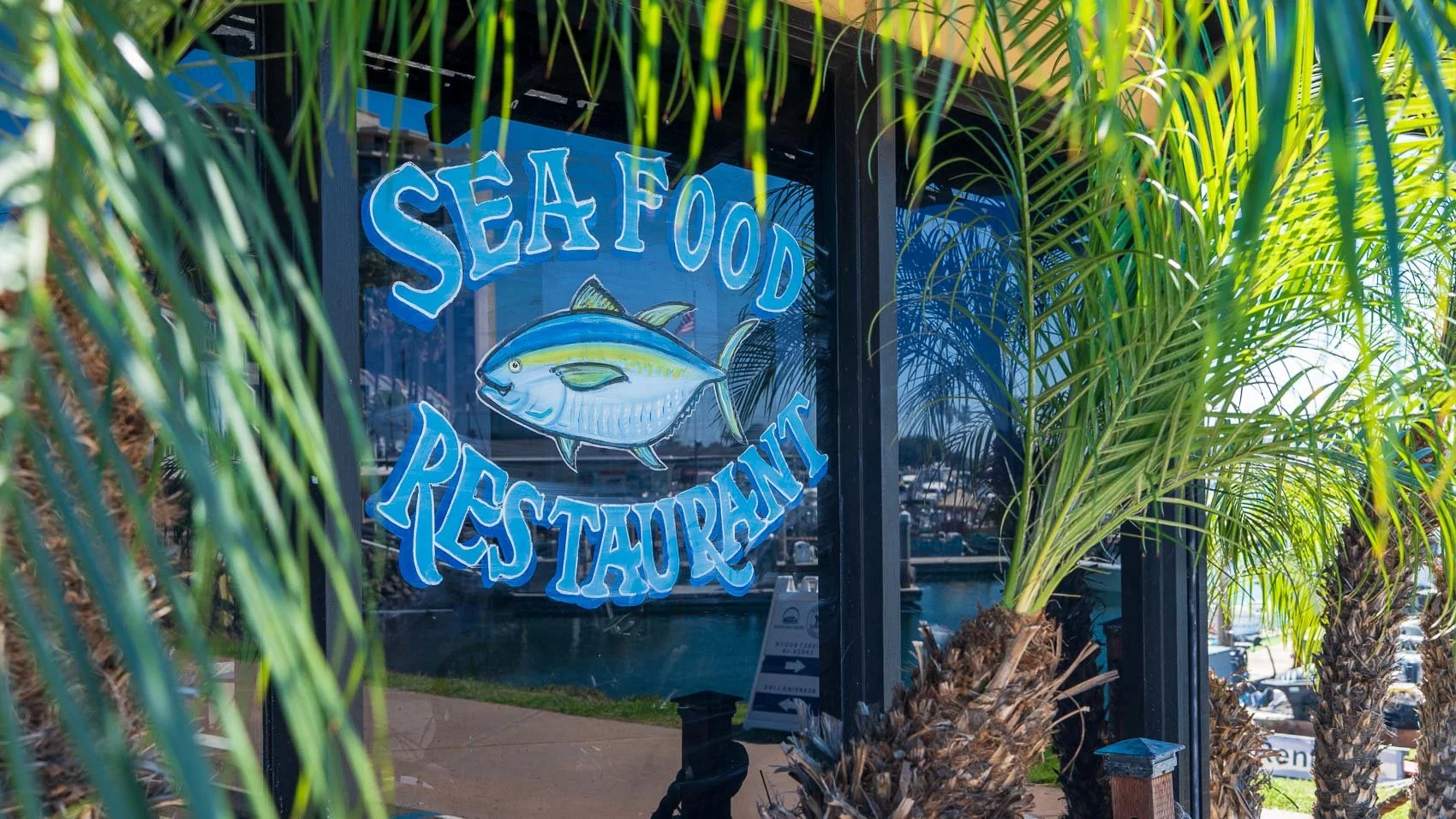
Historic Mission Bay restaurant could be forced out under city redevelopment plan
A 75-year-old Mission Bay restaurant, Sportsmen’s Seafood, faces uncertainty under the city’s redevelopment plan. Owner Joe Busalacchi says newly limited 15-year leases block long-planned upgrades that required a longer term to finance. With a competitive bidding process underway, he risks losing the family business despite decades of investment in the waterfront property.

The Mustache Bash brings catwalks, cartwheels and core ’70s covers to Mission Beach
Welcome to the Mustache Bash, the funkiest place on Earth, where the spirit of the '70s is alive and well — almost like it never left.
This marks the music festival's second year in Mission Beach. The last Bash brought out a record 6,000 partygoers. The record may be broken this year. The festive atmosphere melted all the stress away. The moment they walked into the Mustache Bash, the bright, colorful outfits of other music lovers greeted them, and ready or not, power bass reverberated in their chests.

Daylight saving time harms health, poses safety risks, but ending it is complicated
Losing an hour of sleep during the spring Daylight Saving Time shift may have serious health consequences, including increased heart attacks, strokes, and traffic accidents. Researchers like Dr. Emily Manoogian at the Salk Institute study how circadian rhythms regulate sleep and bodily functions. Even small disruptions can misalign the body’s internal clock, which depends on light cues. Studies show a spike in motor vehicle crashes after the time change, and many scientists advocate for permanent standard time to better align with human biology.

La Jolla’s iconic Mushroom House is now a public nuisance and graffiti canvas. Its future is anyone’s guess
A standoff continues at the Mushroom House, where repeated graffiti follows each cleanup ordered by the city. Owner Buzz Woolley is required to secure and maintain the property, deemed a public hazard, but its remote location and popularity as a tourist spot make enforcement difficult, leaving crews locked in a cycle of repainting and new vandalism.

New name, same vibe: Slater’s 50/50 gives way to The Mixer in Liberty Station
After more than a decade, Slater’s 50/50 has been replaced at Liberty Station by The Mixer, a rebranded, locally owned concept. Retaining much of the original staff, the new restaurant offers lower prices, faster service and a broader menu, reflecting a shift away from chain-style operations toward a more flexible, community-focused dining experience.
Homeless people across San Diego County counted in annual pre-dawn census
The annual Point-in-Time Count surveys homelessness across San Diego County using volunteers assigned to mapped census tracts. Conducted before dawn, it provides a minimum estimate used to guide federal funding, though visibility limits mean some unsheltered individuals are likely missed.
Volunteer Group 12 spent the morning canvassing Allied Gardens, eventually locating multiple people living in vehicles. By the end of their shift, they had distributed all their supplies, offering brief moments of connection during the count.

“Gentrifica”: Song echoes through Arles’ winding streets
During France’s La Fête de la Musique, a choral group in Arles’ La Roquette neighborhood performed a protest song highlighting the effects of gentrification and rising tourism. As short-term rentals and outside investment increase, longtime residents say housing costs and vacancies are pushing locals out and eroding community life. Once a diverse, working-class area, La Roquette is increasingly shaped by seasonal tourism and second homes. Residents warn that without balance, the city risks losing its cultural identity to profit-driven development.

The state of homelessness: Examining criminalization and inaction by local government
After a devastating 2023 coastal storm destroyed beachside encampments, my encounter with a displaced unhoused man highlights the growing intersection of homelessness and climate change. While some rely on personal networks to recover, many lack support as rising sea levels and extreme weather increase risks. The piece contrasts limited action on the Central Coast with San Diego’s enforcement-heavy approach, arguing that displacement and criminalization worsen conditions. It concludes that homelessness must be addressed through housing, not policing.